The practical answer.
Carry the supplied cell identity, lot, storage status and relevant document revisions from receiving through dispatch. FIFO organizes stock but does not override an environmental hold or manufacturer limit. Before shipping, a competent shipper must match the actual cell and shipment arrangement to current requirements. A safety data sheet, an internal pass label and a transport test summary answer different questions.
- Do not confuse delivery date, manufacturer date code and internal stock age.
- Stock remains blocked until an unresolved storage or physical-condition exception is dispositioned.
- Transport evidence must match the actual cell model and shipment; this article is not a packing instruction.
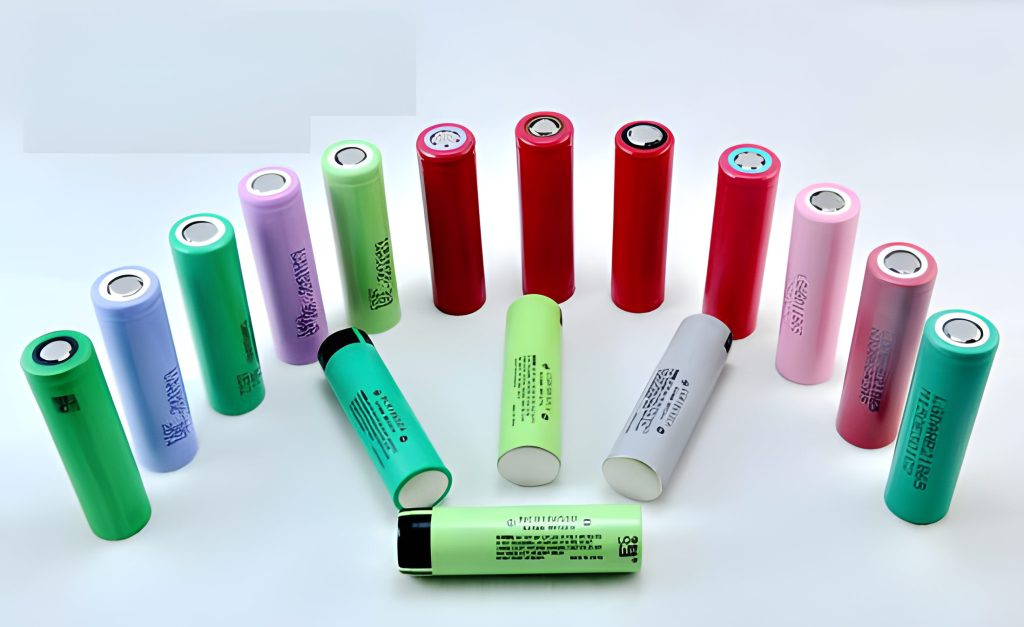
Use three dates instead of one ambiguous age field
A warehouse system may show the day material arrived while purchasing discusses a manufacturer date code and engineering asks how long the cells have remained in a particular condition. These are different records. Retain the supplied manufacturing identifier where available, the receiving timestamp and the dates of relevant storage or processing changes. If a code has not been decoded by its issuer, label it as an undecoded supplied code rather than assigning an invented manufacturing date.
The distinction becomes important when a delivery is split or returned from production. An internal transfer should not reset the cell's original receiving history. Create a child-container reference linked to the source lot and record what changed. A new label can improve warehouse control, but it should not create a false impression that the underlying material is newly manufactured or newly qualified.
Make stock rotation conditional on release status
FIFO can help prevent old stock from being forgotten, but it is not an electrical or safety test. Define released, held and rejected states separately from the rotation sequence. Material with an unresolved storage excursion or physical observation must not become the first stock issued merely because it is oldest. Conversely, age alone is not enough to diagnose failure without the relevant model instruction and history.
VARTA's handbook demonstrates why product-level storage information is needed rather than one universal lithium-cell rule. Ask the supplier for the instruction applicable to the actual 14500, 32140 or 4680 reference being offered. Do not copy another manufacturer's charge-state target, temperature range or review interval into a Jetray purchase specification unless it is confirmed for that supplied product.
| Record | Purpose | Check before release |
|---|---|---|
| Cell/lot identity | Connect material to its supplied source | Model and quantity match |
| Storage log | Explain exposure and review status | Excursions dispositioned |
| Inspection report | Describe the agreed receiving evidence | Method, population and approver clear |
| SDS or safety information | Communicate relevant handling information | Applicable product and revision |
| Transport test summary | Provide the relevant test identity/results | Actual model and report reference match |
| Shipping assessment | Determine current shipment requirements | Competent shipper confirms route and arrangement |
Resolve mixed-age stock before assembly or dispatch
When production returns unused cells to stores, preserve their lot and condition rather than pouring them into the next open container. Record whether they were merely staged, electrically tested or incorporated into an assembly. The permitted reuse path needs an approved instruction. Cells from different histories should not become indistinguishable because they share a size and nominal capacity label.
For a hypothetical scheduling example, a purchase order needs 1,200 cells and stores show 800 released plus 600 held. The available released quantity is 800, not 1,400. The shortfall is 400 until the hold receives disposition or another approved supply is obtained. This arithmetic is intentionally simple: it shows why stock quantity and usable quantity must be different fields. It does not prescribe a mixing rule or imply a Jetray delivery schedule.
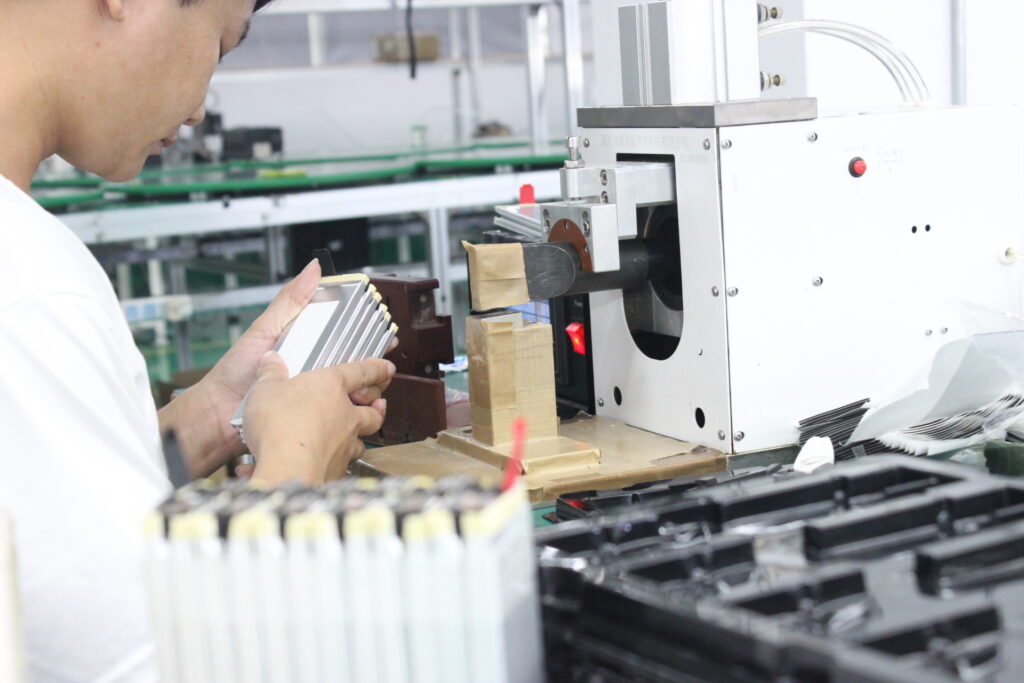
Match transport documents to the actual shipment
IATA's 2026 battery guidance identifies information expected in a test summary, including manufacturer, laboratory, report identity, model description and test results. Its introduction also states that the guidance is not a substitute for regulatory compliance. For procurement, the practical task is to obtain model-matched evidence and hand it to a competent shipper, rather than treating a familiar PDF filename as approval for any shipment.
Confirm whether the order contains cells, finished batteries, or equipment with batteries and whether the intended transport mode and route have changed. Do not assume rules for loose rechargeable cells also describe primary cells or batteries installed in equipment. State-of-charge, packing, marking and documentation questions must be resolved against current applicable requirements and operator conditions. This article deliberately does not issue a universal shipping charge-state percentage or a do-it-yourself packing procedure.
Ask for a discrepancy response before the urgent order
Specify what happens if a supplied test-summary model name differs from the carton label, a storage record is incomplete or the intended flight route changes. Decide who owns the hold and who can approve a correction. A delivery deadline should not cause stores to relabel material to match a document. Preserve the mismatch and obtain a controlled explanation or replacement evidence from the responsible source.
Jetray catalogue inquiries for the smaller 14500 cell and the CBAK 32140 reference can include these document and traceability questions without asserting any current inventory, brand authorization or certification. Ask for the exact supplied identity and applicable evidence with the quotation. The useful outcome is a clean handover that tells production and shipping what was approved, what material it covers and which remaining decision still requires specialist review.
- Retain original supplied identity when material is received, split or returned.
- Separate physical stock count from released usable quantity.
- Review exceptions under the model-specific storage and inspection instructions.
- Collect current model-matched safety and transport evidence.
- Have the responsible shipper assess the actual shipment arrangement and route.
- Preserve the final disposition and document revisions with dispatch records.
Frequently asked questions
Does an SDS prove UN38.3 testing?
No. A safety information document and the relevant transport test summary have different purposes. Request the appropriate evidence and verify that it matches the supplied product.
Can an internal stock transfer restart the age clock?
It can create a new location or container record, but should not erase original receiving history or supplied manufacturing identification.
Does FIFO release held material?
No. Rotation order is subordinate to the material's approved release status and applicable product instructions.
Sources & further reading
- IATA Battery Guidance Document, revised for the 2026 regulations ↗
- VARTA CellPac LITE technical handbook: individual product storage information ↗
AI-assisted supply-chain education. No legal packing instruction, Jetray inventory assertion, certificate coverage or transport acceptance is supplied. Current shipment requirements require the competent shipper's assessment.
Prepared for the cylindrical battery cells collection. General engineering guidance does not replace a model-specific datasheet or application validation. Source review: 5 November 2026.