The practical answer.
Keep the supplier’s lot code attached to each receiving record and record every split, relabeling or consumption event. A review passes when you can trace a selected pack back to its source lots and identify every affected unit from a selected incoming lot.
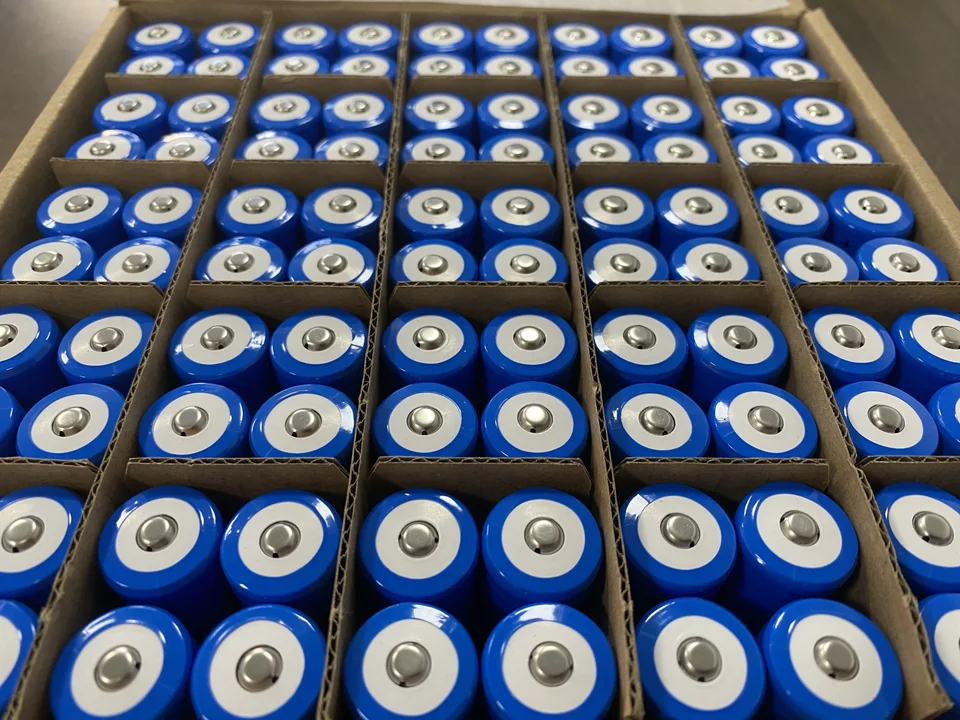
Treat the supplier lot code as an identity field
Capture the lot code exactly as supplied and keep it alongside the maker’s part identifier, label evidence and the buyer’s internal receiving record. Do not treat a date guess or a similar wrapper color as a substitute. A carton may contain multiple lots; hold any unresolved mismatch under the approved disposition procedure.
Two-way lot trace review
| Event | Fields to retain | Test the trace by asking |
|---|---|---|
| Receipt | Supplier part, lot code, carton ID, receiving ID, quantity and disposition | Which packages and units arrived under this lot? |
| Split or repack | Original and new container IDs, quantity moved, time and operator | Can the source lot be recovered from every new package label? |
| Regrade or bin change | Parent lot, child identifier, count, prior and new bin, grading method and disposition | Can the build team recover the actual grading scope from the sub-lot label? |
| Pack assembly | Cell lots consumed, quantities, build record and finished serial or batch | Which lots contributed to this finished unit? |
| Hold or investigation | Scope, responsible quality owner, affected inventory and disposition | Which stock and finished units are affected by the selected lot? |
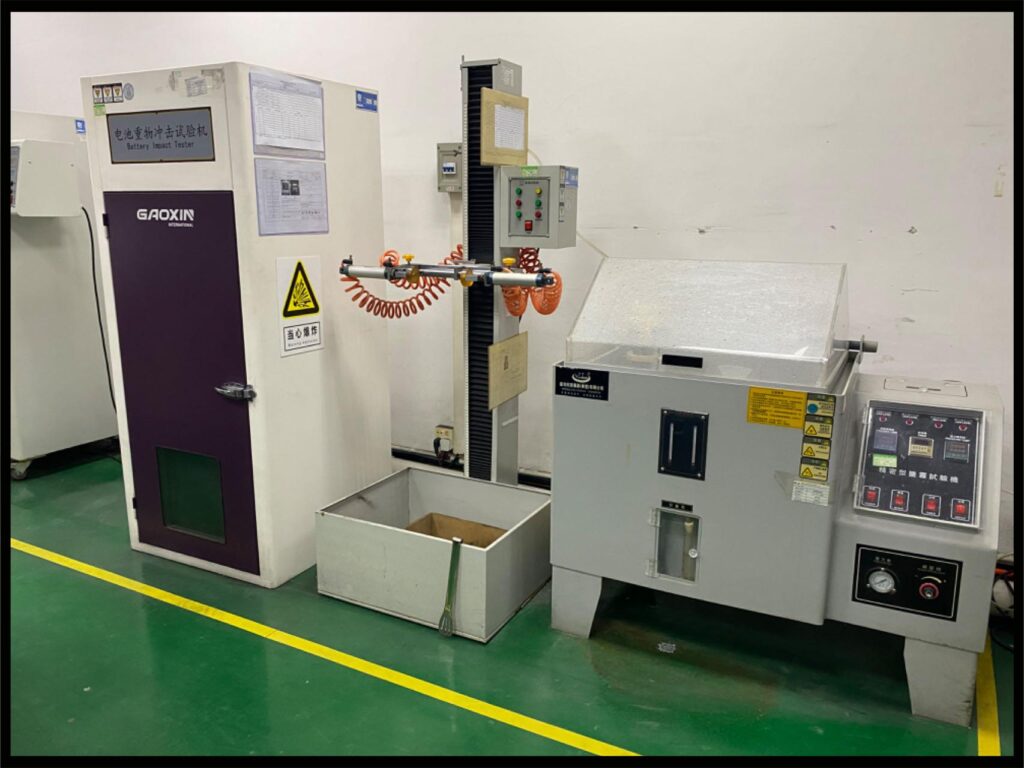
Record every event that changes where the cells are
If stock is split across bins or transferred into new packaging, assign distinct internal container IDs and retain the link to the source lot and quantity. At assembly, record how much was issued from each lot and the build or serial range that consumed it. The GS1 traceability framework supplies a general model for identifying items and linking events. Use the identifiers and retention policy actually approved for the project.
Record grading and regrading as traceable events
Keep the received manufacturer lot identifier when a population is split, sorted or regraded. If the project uses internal sub-lots, create a parent-to-child entry for each event and capture the input and output quantities, container or sub-lot identifiers, grading record revision, method conditions, operator and release decision. Show the old and new bins separately when the operation changes a bin assignment.
Before assigning a sub-lot to production, check that the build is approved to use that population and that the approved grading record can be retrieved from its label. Where a grading report uses sampling, retain its actual coverage. If two cartons share a printed lot code but cite different grading records, reconcile their scope before the cartons are combined.
Run a trace in both directions
Pick one finished unit and recover its cell source records. Next pick one incoming lot and identify all remaining stock and assemblies that used it. Reconcile quantities or document the reason for a difference, including samples, scrap or returns. Record who reviewed the scope and which assumptions remain open.
Keep electrical acceptance evidence separate
Traceability identifies which units a decision applies to; it does not show those cells met OCV, DCIR or capacity criteria. Link the applicable inspection record and disposition to the identified lot. If an agreed acceptance sampling plan is used, its decision applies to the defined lot and does not certify every cell.
Sources & further reading
- GS1 application identifier 10 for batch or lot numbers ↗
- NIST handbook on lot acceptance sampling ↗
- Jetray cylindrical cell product family ↗
- Jetray 14500 800 mAh cell catalogue reference ↗
Prepared for the cylindrical battery cells collection. General engineering guidance does not replace a model-specific datasheet or application validation. Source review: 9 November 2026.