The practical answer.
Request quotes by exact cell model or a defined alternate window. Give each supplier the same electrical, dimensional, lot and shipment requirements so unit price and deviations can be compared separately.
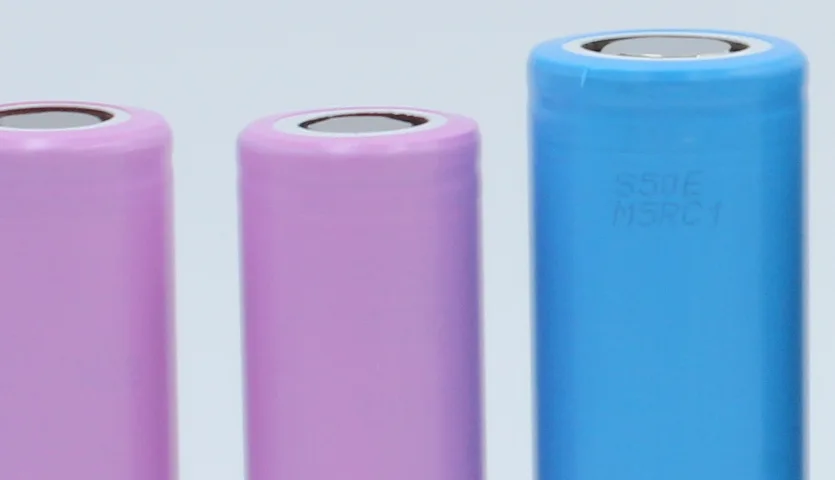
Declare what an acceptable alternate can change
Start with the required model or the dimensions, chemistry and electrical envelope an alternate must satisfy. If an alternative cell is allowed, ask suppliers to identify it explicitly and compare the actual data sheet. Distinguish approval to quote a candidate from approval to use it in a build.
Cylindrical cell RFQ declaration and quote response
| Decision line | Buyer input | Supplier disclosure |
|---|---|---|
| Cell identity | Required manufacturer part or qualified alternate rule | Exact offered make, model and revision. |
| Operating profile | Current and duration, duty, cutoff, temperature and charger limits | Conditions used to assess fit and any deviations. |
| Mechanical interface | Diameter, height, terminal drawing and assembly constraints | Controlled dimensions and format differences. |
| Quote-to-sample handoff | Sample purpose, production bands, requested arrival date and acceptance owner | MOQ by band, start point for lead time, configuration covered by sample approval and route for exceptions. |
| Order and shipment | Sample purpose, volume bands, lot and packaging requirements, destination | Quote scope, allowed lot split, documents available and open assumptions. |
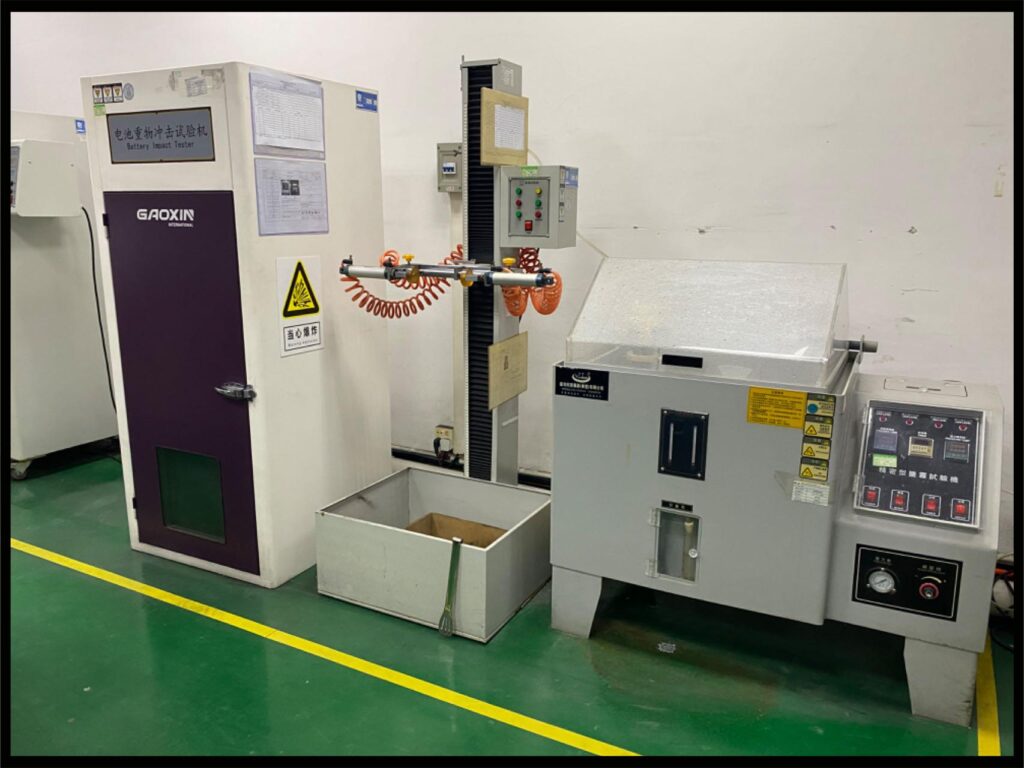
Send the conditions that determine cell suitability
Include the operating voltage range, load in time, end-voltage requirements and temperature window. Give the holder or assembly drawing and terminal interface. Nominal capacity alone does not show that a cell meets transient demand or fits the mechanical design. If cells will be joined, ask the responsible team to review the intended assembly process for the exact terminal construction.
Quote the order and the acceptance basis separately
Give engineering sample quantities and production bands. Define how lot splits, substitutes and packaging will be handled, and who supplies the controlled documents. Compare quoted terms only after accounting for these differences. Avoid using an indicative response as evidence of live availability or a performance guarantee.
Put sample approval and delivery assumptions into the quote
Request separate prices for prototype samples and each projected production band. Have the supplier state the minimum order quantity for each band, the quantity and configuration of samples, and what event starts each quoted lead time. Keep the buyer’s requested arrival date separate from the supplier’s planned ship date and record assumptions about documentation, lot availability and transport.
Define the sample approval gate before ordering: list the proposed cell model, lot or grading scope, integration tests, acceptance records and decision owner. Ask whether production material must match the approved sample’s model, revision and grading method, and document how substitutions or revisions are raised for review. A sample approval applies to the evidence and configuration it names.
Attach named documents to the selected offer
Before purchase, reconcile the part number, revision, drawings and sample acceptance record. For an applicable shipment, request documentation that names the exact lithium battery design offered and have the responsible party confirm the transport requirements. Document every unresolved condition as an explicit exception.
Sources & further reading
- Jetray cylindrical cell product family ↗
- Jetray 14500 800 mAh cell catalogue reference ↗
- Molicel P28A original data sheet, example of documented rating conditions ↗
- PHMSA U.S. lithium battery test summary guidance ↗
- NASA requirements verification matrix guidance ↗
Prepared for the cylindrical battery cells collection. General engineering guidance does not replace a model-specific datasheet or application validation. Source review: 9 November 2026.