The practical answer.
A structured change review for OEM teams when a battery supplier proposes a different cylindrical cell model.
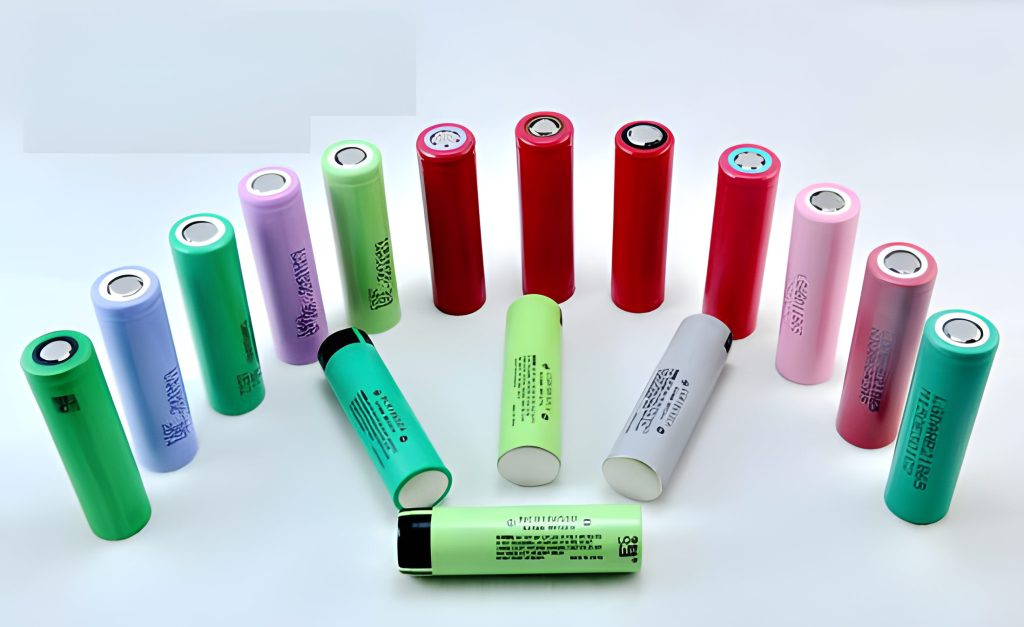
Treat substitution as an engineering change
Cell availability, cost or production planning can lead a supplier to propose an alternative model. Start by requesting a written change description naming the current and proposed cells, the reason for the change and the affected pack versions. Do not approve the substitution solely because the nominal voltage and capacity look similar. The impact can reach the charger, protection settings, mechanical construction and product documentation. Give the responsible engineering and compliance teams enough information to determine what needs review.
Compare the electrical behavior
Create a side-by-side comparison of minimum capacity, relevant voltage limits, current capability, charging requirements and operating conditions. Check the definitions and test methods behind each value. Ask how the alternative behaves under the actual equipment duty cycle, including repeated peaks and operation near shutdown. A model with a higher nominal capacity may still behave differently under load. Preserve the supporting datasheets with their revisions, and record any gaps that prevent a reliable comparison instead of assuming missing information is equivalent.
Check mechanical and thermal effects
Even cells in the same nominal format can have differences that matter to the assembly. Ask the pack manufacturer to review dimensions, terminal details, mass, interconnect design and support features. Consider whether the change affects heat generation or temperature distribution in the installed enclosure. The review should cover the finished pack, not just the bare cell. If the proposed construction changes, request an updated drawing and identify the relevant equipment fit and operational checks before the change reaches routine production.
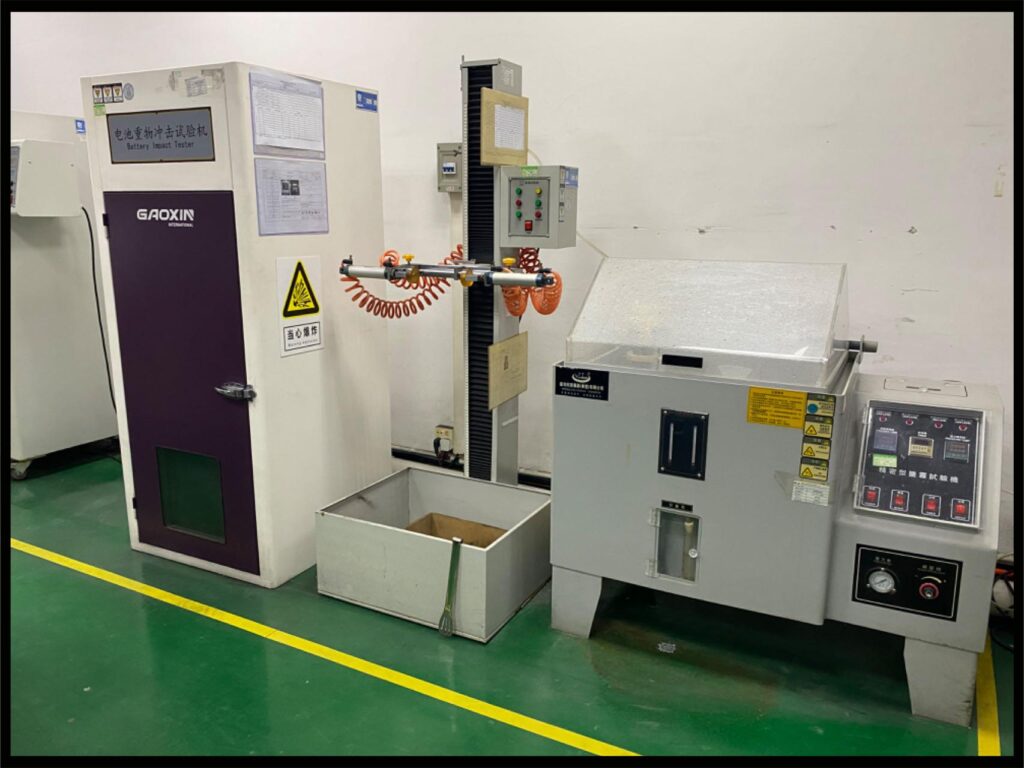
Review documents and validation scope
Ask which existing pack documents remain applicable and which need updating or additional assessment. The answer depends on the product, test evidence and destination requirements; it should not be assumed from a similar model name. Plan sample validation with competent specialists and define acceptance criteria before testing. Record the cell and pack identities for the samples used. If the alternative affects firmware or protection settings, include those revisions in the baseline so that future shipments can be traced to the evaluated design.
Release the change deliberately
Agree the first affected lot, labeling or part-number changes, stock separation and any limits on mixing old and new versions in service. Update purchasing and receiving records so production knows which configuration is approved. Keep the signed change decision with the comparison and test results. This process supports practical supply continuity while protecting the equipment design from silent changes. For a Jetray project, ask for the current cell model and the proposed notification process as part of the original custom-pack discussion.
Bring these points into the inquiry.
Use the checklist to organize a project discussion, then request the exact model specification, drawing and relevant evidence.
| Review point | Information to agree with the supplier |
|---|---|
| Identify the exact model | A shared size does not make cells interchangeable. Record chemistry, manufacturer and the complete model code. |
| Compare at matching conditions | Read discharge rate, cutoff voltage and temperature alongside capacity and current ratings. |
| Protect sourcing continuity | Agree acceptable substitutions, lot traceability and document revision control before repeat orders. |
Sources & further reading
AI-assisted procurement education. Confirm project-specific limits, documentation and suitability with the responsible supplier and product team.
Prepared for the cylindrical battery cells collection. General engineering guidance does not replace a model-specific datasheet or application validation. Source review: 4 November 2026.