The practical answer.
Read cell specifications with the right definitions and separate bare-cell data from finished battery pack requirements.
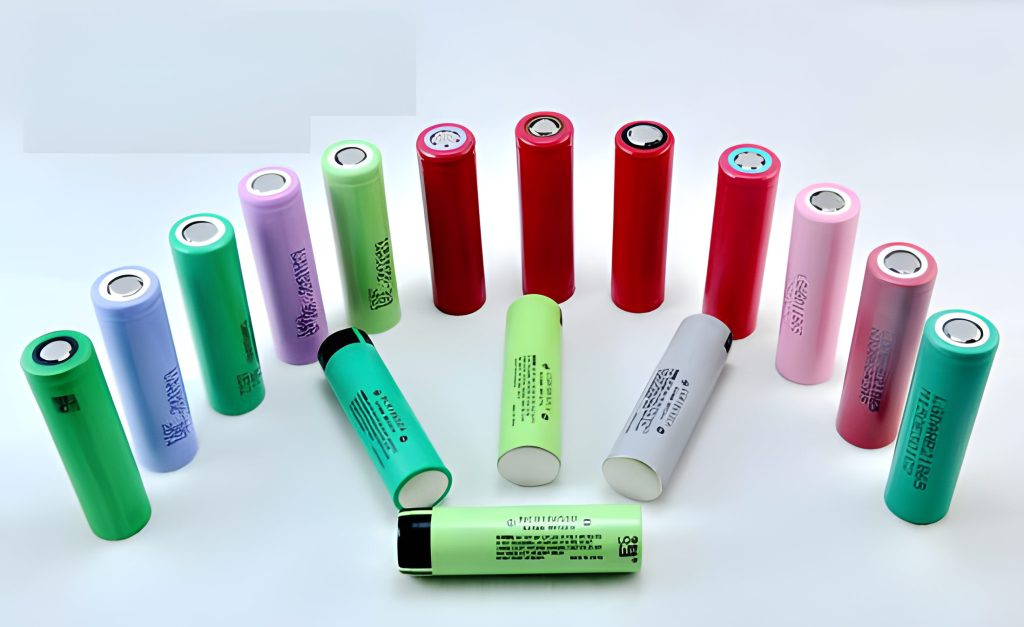
Which exact product does the document describe?
Check the manufacturer, model identifier, revision and document date. A family brochure is not the same as a controlled specification for the supplied cell. Ask whether the document is current and whether the shipment will use that exact model. Confirm how the cell is identified through labels and production records. If a supplier offers an equivalent replacement, obtain its own specification and review the differences. Similar dimensions or capacity descriptions do not establish that two models behave identically.
How are capacity and energy measured?
Distinguish minimum rated capacity from typical capacity. Look for the charging procedure, discharge current, temperature and endpoint used to determine the value. If energy is quoted, identify whether it is nominal arithmetic or a measured result under specified conditions. Ask the supplier to explain ambiguous fields instead of filling them with assumptions. A comparison is only meaningful when the test conditions are sufficiently aligned. Keep the original units visible and record any unit conversions so another engineer can reproduce them.
What do the operating limits actually permit?
Separate charging limits from discharging limits and continuous current from pulse claims. Ask for the duration and repetition behind any pulse rating. Note the relevant temperature and state conditions. Confirm the voltage endpoints and how the proposed pack's protection settings relate to them. These questions should be answered by the qualified design team; a procurement summary must not become an independent instruction for operating a cell. The actual product needs a validated system that respects all applicable component and pack limits.
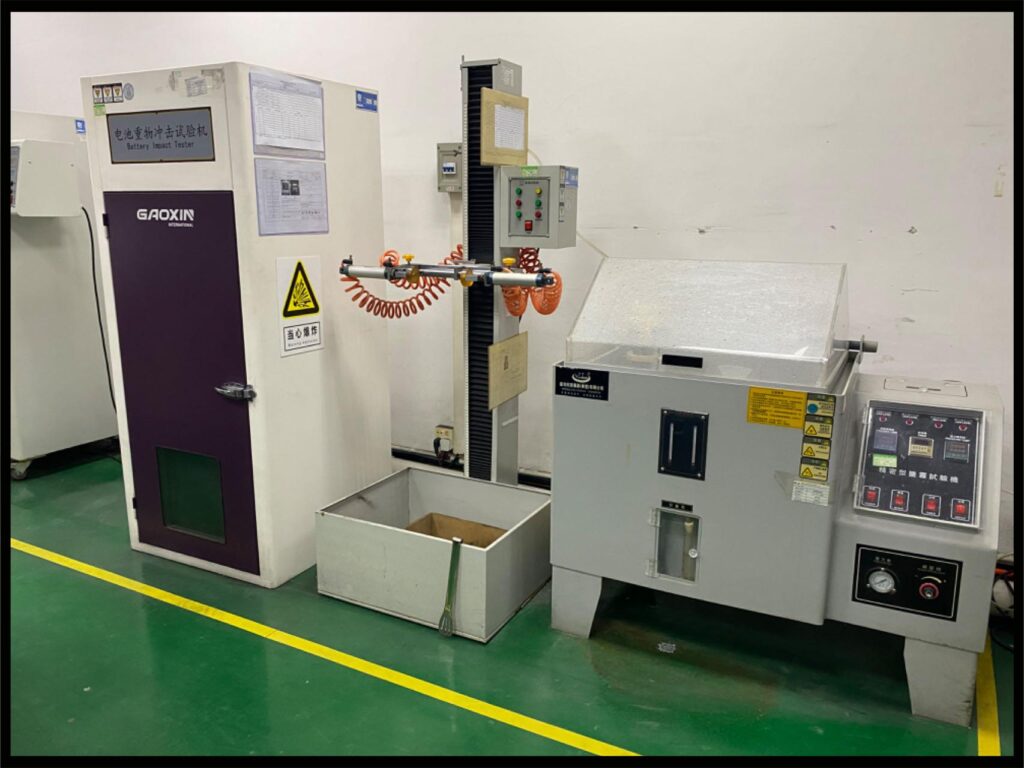
Which mechanical and handling details matter?
Review the controlled dimensions, terminal style and permitted assembly approach with the pack manufacturer. Ask about the finished assembly's insulation, supports, interconnects and enclosure. Do not assume a datasheet for a bare cell approves a particular welding, fastening or replacement process. Identify the storage and handling instructions appropriate to the supplied product and keep them available to trained staff. For end equipment, check service access and replacement policy so that maintenance does not introduce unapproved cells or assemblies into the product.
Which claims still need system-level evidence?
A cell datasheet cannot establish the runtime, environmental protection or compliance of a completed device. Ask how the cell will be integrated into the pack and which finished-pack tests and documents will be provided. Review any cycle-life statement against its conditions and acceptance threshold. Link the approved cell specification to the pack drawing and sample report. This final step turns a collection of technical numbers into a traceable purchasing decision with clear boundaries between cell data, pack performance and equipment validation.
Bring these points into the inquiry.
Use the checklist to organize a project discussion, then request the exact model specification, drawing and relevant evidence.
| Review point | Information to agree with the supplier |
|---|---|
| Identify the exact model | A shared size does not make cells interchangeable. Record chemistry, manufacturer and the complete model code. |
| Compare at matching conditions | Read discharge rate, cutoff voltage and temperature alongside capacity and current ratings. |
| Protect sourcing continuity | Agree acceptable substitutions, lot traceability and document revision control before repeat orders. |
Sources & further reading
AI-assisted procurement education. Confirm project-specific limits, documentation and suitability with the responsible supplier and product team.
Prepared for the cylindrical battery cells collection. General engineering guidance does not replace a model-specific datasheet or application validation. Source review: 4 November 2026.