The practical answer.
Ask for the cell manufacturer’s original, revisioned data sheet and drawing for the exact model on the offer. Match those identifiers against samples, receiving documents and any approved alternate before relying on ratings or test files.
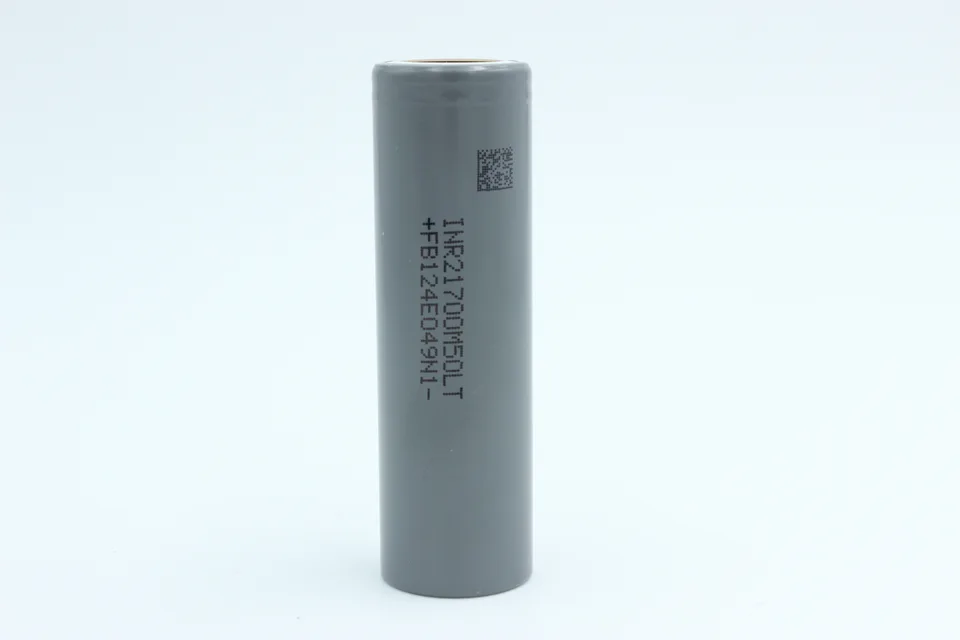
Start with the maker and the actual part identifier
Collect the manufacturer name, exact ordering code and data sheet revision. A cylindrical format label describes a size family and can cover cells with different chemistry, current capability or terminal geometry. Match the manufacturer’s designation to the offer rather than inferring it from wrapper color or nominal voltage.
Evidence package review for one offered cell model
| Requested record | What to compare | If it differs |
|---|---|---|
| Manufacturer sheet | Part number, revision, issuer and stated test conditions | Resolve before comparing rated capacity or current limits. |
| Controlled outline | Terminal geometry, maximum diameters and heights, tolerances | Confirm device or carrier fit independently. |
| Resistance method | AC frequency or DC pulse and the test conditions | Do not combine values produced by different methods. |
| Document index | Issuer, approval status, applicable part or lot and owner of any open question | Keep provisional claims separate from controlled release evidence. |
| Change history | Obsolete and replacement revisions, applicable manufacturing changes | Ask for documented approval before substitution. |
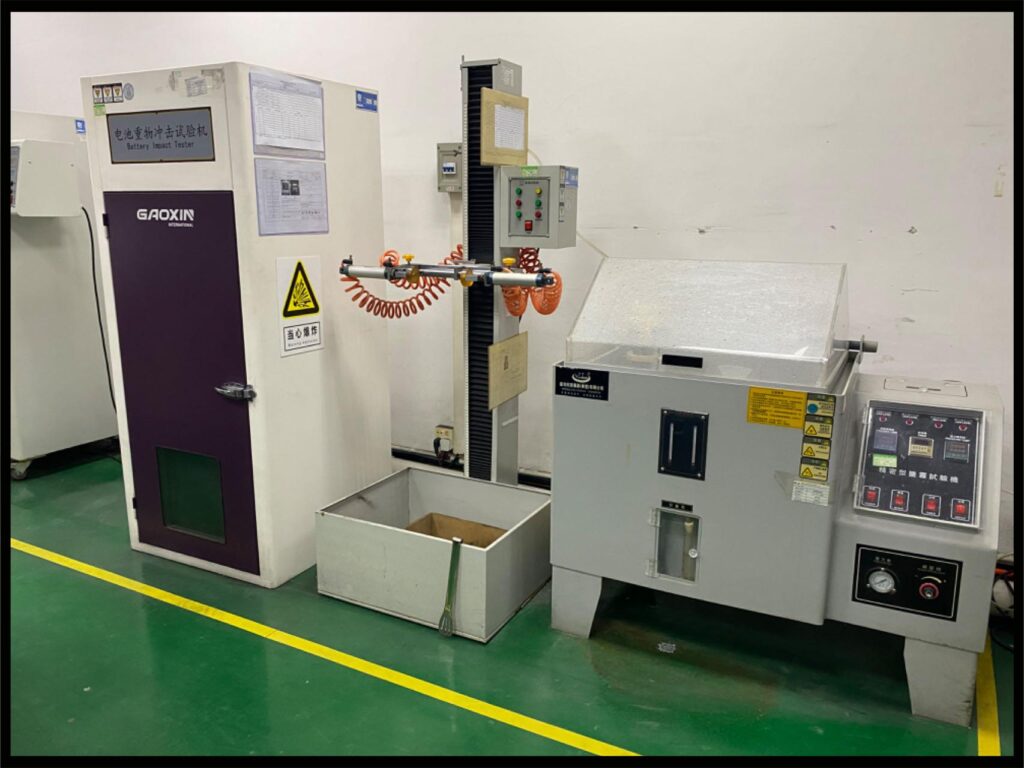
Read declared rating conditions beside each field
Ask for capacity with typical or minimum designation, the associated discharge method and the temperature and cutoff. Check maximum discharge conditions separately from nominal capacity. If a supplier quotes internal resistance, request the measurement type and setup. For example, the Molicel P28A sheet distinguishes AC resistance from a specified DC pulse method. This example does not characterize the Jetray references.
Use the outline and document index together
Compare terminal geometry and limits on diameter and height against the actual holder and process. Record which document revision describes the tested configuration. If the sample, shipment or data package names a different variant, resolve the identity before proceeding. Keep supplier declarations distinct from independently observed values.
Compare document status and ownership across replies
Start the review with an index that ties every file to the offered part or lot. Record the issuer, document identifier, revision, date, approval status and person or organization responsible for resolving questions. Identify the manufacturer and the organization that controls any grading, regrading or inspection record separately when those roles differ.
Compare replies one requirement at a time. Distinguish a released manufacturer sheet, a provisional review copy and project-specific evidence such as a lot inspection record. Ask which measured value, test setup or configuration is still missing. Leave the relevant requirement open until evidence addresses it and record who will decide whether it is sufficient. Do not infer a supplier’s manufacturing role or compliance status from the presentation of a data sheet.
Make changes auditable before release
Track the change notice or alternate approval alongside the original evidence. Record whether the proposed change affects dimensions, rating conditions, fixture contacts or integration tests. Route gaps to the person responsible for closing them before the material is released for use.
Sources & further reading
- Jetray cylindrical cell product family ↗
- Jetray 14500 800 mAh cell catalogue reference ↗
- Molicel P28A original data sheet, example of documented rating conditions ↗
- Keysight instrument documentation for four-wire resistance measurements ↗
- NASA requirements verification matrix guidance ↗
Prepared for the cylindrical battery cells collection. General engineering guidance does not replace a model-specific datasheet or application validation. Source review: 9 November 2026.